What happens to your phone after you sell it
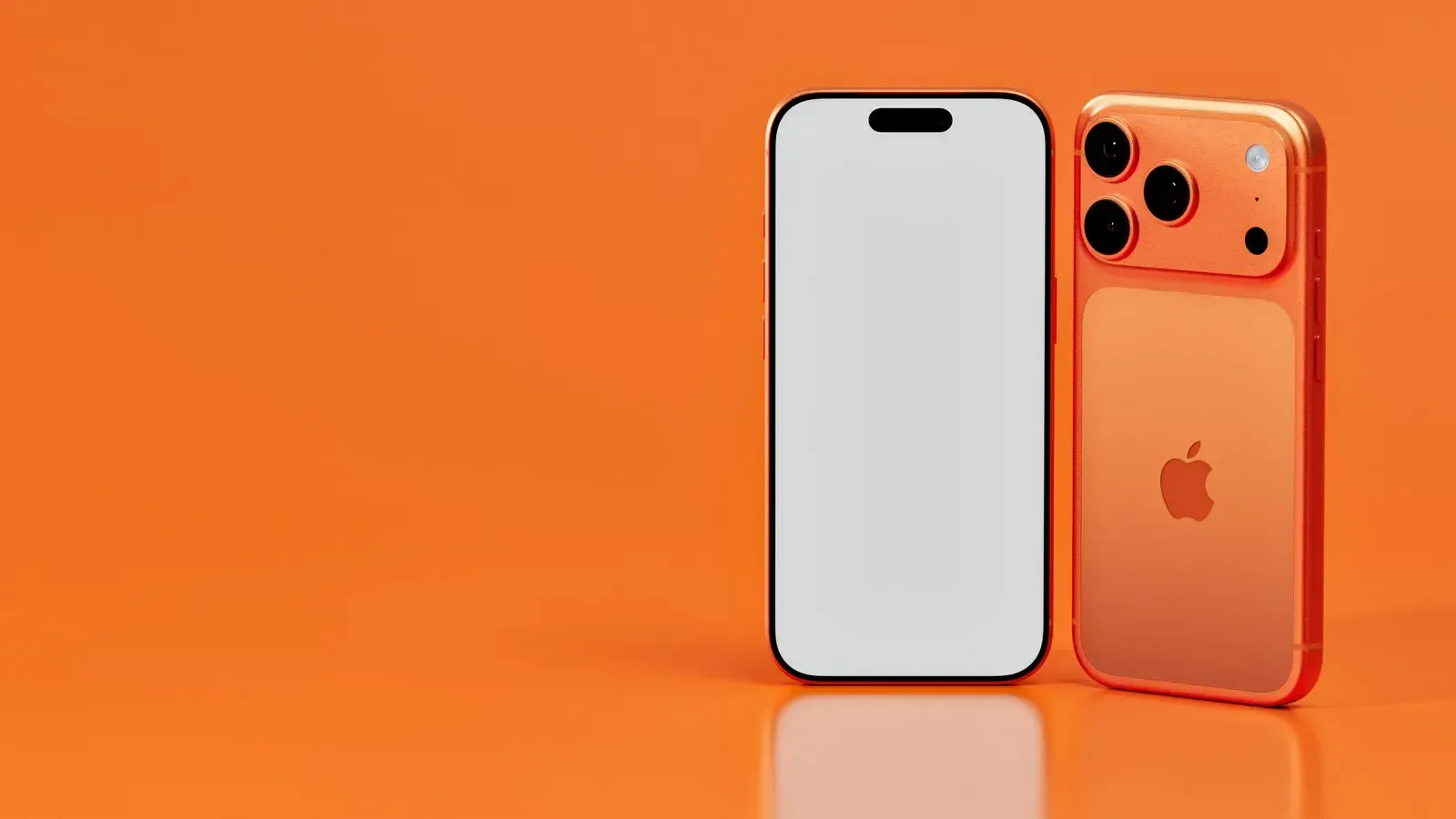
Where the device goes after the rider leaves, and why even a phone that will not switch on is worth buying.
People ask this for two reasons: they want to know their data is gone, and they want to know why anyone would pay for a phone with a shattered screen. The answers are related.
First, the device is graded
Every device that comes in is checked against the answers given online and given a grade. That grading is what decides the route it takes next, and it is also the check that keeps the price honest at the door — a rider who over-grades a phone to close a pickup is a problem for us, not for you.
It is wiped again
The factory reset happens in front of you at your door. That is the one you can see, and it is the one that matters most for your peace of mind. In processing, the device is wiped again before it moves on. Two passes, and by then the phone has been unlinked from your accounts by you, reset by our agent and erased again by the process.
Then one of three routes
Repair and resale. Most phones in reasonable condition are refurbished — a battery, a screen, a charging port — and resold to someone who wants a working phone and does not want to pay new-phone prices. This is a large and entirely ordinary market: a refurbished two-year-old flagship is a better phone than a new budget one at the same money.
Parts. A phone that is not worth repairing as a unit is often worth more in pieces than as a whole. A cracked screen does not stop the camera module, the frame, the board, the battery connector or the back glass from being exactly what someone else's repair needs. This is why a phone that will not switch on still has a price: it is a supply of parts for the phones that do.
Recycling. What is left goes to recyclers who recover the materials — the copper, the aluminium, the gold in the connectors, the lithium and cobalt in the cell. Formal e-waste recycling exists so that none of this ends up in a landfill. It is the last route, not the first, because a device that gets used again is worth more to everybody than the metal inside it.
Why this is the argument for selling rather than storing
A phone in a drawer is on none of these routes. It is not being used, it is not being repaired, its parts are not fixing anyone else's phone, and its materials are not being recovered — and it is losing value the whole time. The best thing that can happen to a device you have stopped using is that someone else starts using it.
See what yours is worth; the pickup is free either way.
Get a price for your device
A price in about a minute, free doorstep pickup in a two-hour slot, and paid — cash or bank transfer — before our agent leaves.
Questions people ask
- What happens to a phone after a buy-back service collects it?
- It is graded, wiped again, and then takes one of three routes: repaired and resold as a refurbished device, broken down for working parts, or sent for recycling if nothing else is viable.
- Is my data wiped more than once?
- Yes. The factory reset happens in front of you at pickup, and the device is wiped again during processing before it goes anywhere.
- Why buy a phone that does not switch on?
- Because the parts are worth money — the screen, the camera module, the frame, the board — and because the materials are worth recovering even when the parts are not.
- Is selling an old phone better than recycling it?
- Selling a working phone is the better outcome for everyone: a device that gets used again displaces a new one. A phone beyond repair should be recycled properly, and that happens either way.